Key findings
- While a slight plurality of voters (41%) feel their life is better than their parents’ was, this sentiment masks a profound generational split.
- An overwhelming 77% of the Silent Generation and 51% of Baby Boomers feel their lives have improved, compared to just 31% of Millennials and 35% of Gen Z who feel their lives are better than their parents’.
- Black voters (53%) are the most optimistic racial group regarding their personal progress compared to the previous generation.
- The economy (34%) and inflation (29%) are the top two issues cited, followed by political division (26%).
- Priorities diverge along party lines, with Democrats focusing on political division (33%) while Republicans prioritize immigration (27%) and crime (26%) alongside the economy.
Our poll reveals a deeply anxious and divided American electorate, grappling with economic pressures, generational divides, and a fading belief in the American Dream.
While a slight plurality of voters (41%) feel their life is better than their parents’ was, this sentiment masks a profound generational split. An overwhelming 77% of the Silent Generation and 51% of Baby Boomers feel their lives have improved, compared to just 31% of Millennials and 35% of Gen Z who feel their lives are better than their parents’. Black voters (53%) are the most optimistic racial group regarding their personal progress compared to the previous generation.
The primary concerns facing the nation are economic. The economy (34%) and inflation (29%) are the top two issues cited, followed by political division (26%). Priorities diverge along party lines, with Democrats focusing on political division (33%) while Republicans prioritize immigration (27%) and crime (26%) alongside the economy.
Belief in the American Dream is tenuous. A worrying 64% of voters believe the dream has become less attainable over the past decade. This pessimism is most acute among Republicans (42% feel it’s “much less attainable”) and younger generations. Currently, only 22% of voters believe they have achieved the American dream, while 36% feel it is out of reach. This gap is again generational: 59% of the Silent Generation feel they’ve achieved it, while 40% of Millennials feel it is unattainable for them. For most voters, the dream is defined by practical goals like economic stability and homeownership.
Voters are pessimistic about the impact of artificial intelligence (AI), with 40% believing it will make achieving the American Dream harder, compared to only 16% who think it will make it easier. Voters give an edge to the Republican Party (39%) over the Democratic Party (33%) in supporting the American Dream, but a significant 28% believe neither party is aligned with this goal.
Methodology
Online sample of 2011 likely voters fielded over web panels from September 28 - October 01, 2025 and weighted by gender, race, education, 2024 vote choice and birth year. Respondents were also weighted by whether they passed attention checks. The margin of error is 3.1%.
Voters are skeptical their lives will be better than their parents.
American voters are divided on whether their lives are better than their parents’ was, with a slight plurality feeling optimistic about their progress.
Overall, 41% of voters believe their life is better than their parents’ (16% “a lot better,” 25% “a bit better”), while 32% feel it is worse (19% “a bit worse,” 13% “a lot worse”). Another 19% say their life is about the same.
Support for this sentiment is bipartisan. Forty-one percent of Democrats, 41% of Republicans, and 42% of Independents feel their life is better than their parents’. Republicans are the least likely to say their lives have been worse (28%), compared to 34% of Democrats and 33% of Independents. Men (43%) are slightly more likely than women (40%) to say their lives have been better than their parents’.
Black voters are the most optimistic group, with a clear majority (53%) stating their life is better than their parents’ was, including 25% who feel it is “a lot better.” In contrast, 39% of white voters and 42% of Hispanic voters feel their lives have improved from their parents’ generation.
There is a stark generational divide in these perceptions. Older generations are significantly more likely to feel their life is better than their parents’ compared to younger generations. An overwhelming 77% of the Silent Generation and 51% of Baby Boomers feel their life is better. This number drops to just 37% for Gen X, 31% for Millennials, and 35% for Gen Z.
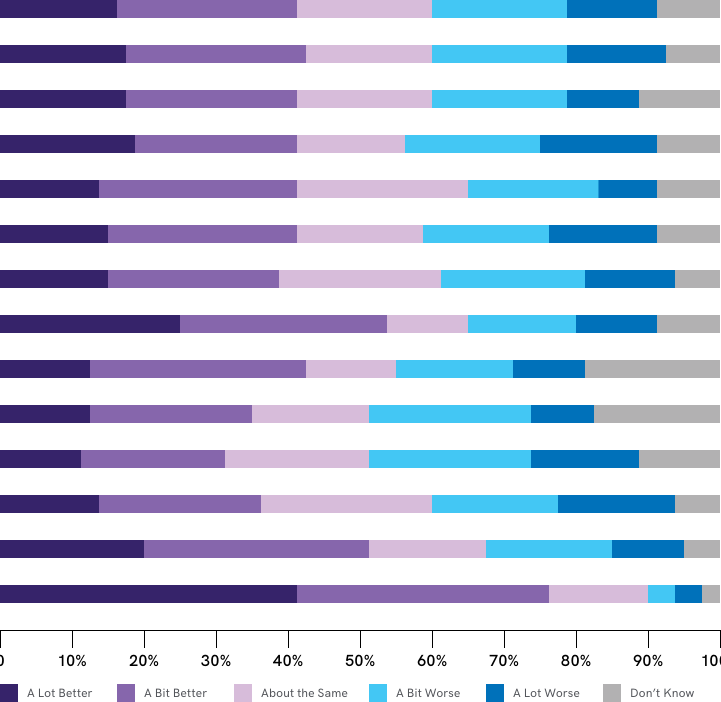
Voters say the economy is the most significant challenge facing the United States.
When asked about the most significant challenges facing the United States, voters point to economic issues and political division as their top worries.
The economy is the most cited concern overall, selected by 34% of voters, followed closely by inflation at 29% and political division at 26%.
Priorities differ sharply along partisan lines. While the economy is a top-three concern for all groups, Democrats are most worried about political division (33%) and the economy (36%). Republicans, however, are most concerned about the economy (31%), immigration (27%), and crime (26%).
Race relations is a significantly higher concern for black voters (19%) than for white (4%) or Hispanic (6%) voters. Younger generations, particularly Gen Z and Millennials, are more likely to worry about housing (21% and 12%, respectively) than Boomers (6%).
Many Voters See American Dream Out of Reach
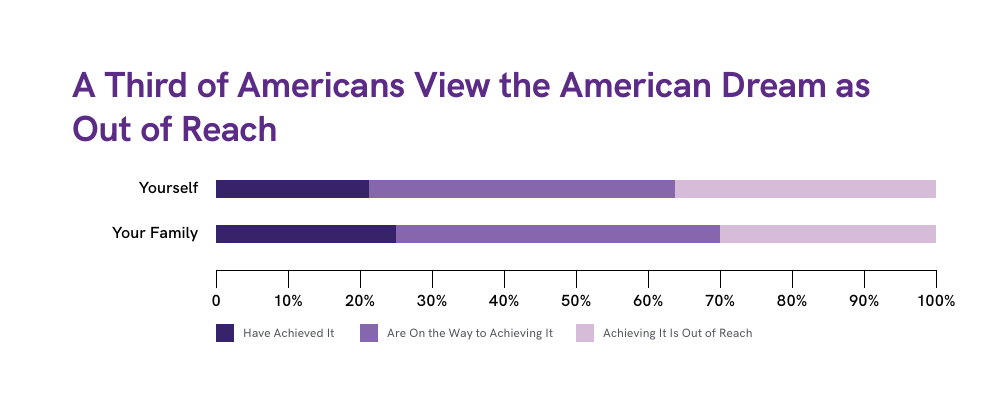
While a plurality of voters feel they are on their way to achieving the American Dream (42%), a significant portion feel it is out of reach (36%). Only 22% of voters believe they have already achieved it.
There is a major generational gap in this belief. Fifty-nine percent of the Silent Generation and 36% of Boomers feel they have achieved the dream. This contrasts sharply with younger generations, where 41% of Gen X and 40% of Millennials believe the American Dream is out of reach.
Voters are slightly more optimistic about their family’s status compared to their own. A combined 69% believe their family has either achieved the dream (25%) or is on the way to achieving it (44%).
Among voters who have or expect to have children, there is considerable optimism about the next generation’s prospects. A plurality of 49% believe their children are on the way to achieving the dream, while 10% feel they have already achieved it. Only 16% believe it is out of reach for their children.
Voters with a college degree are more pessimistic about their children’s future. Nineteen percent of college-educated voters feel the dream is out of reach for their children, compared to 12% of voters with no college degree.
Voters say the American Dream is becoming less attainable.
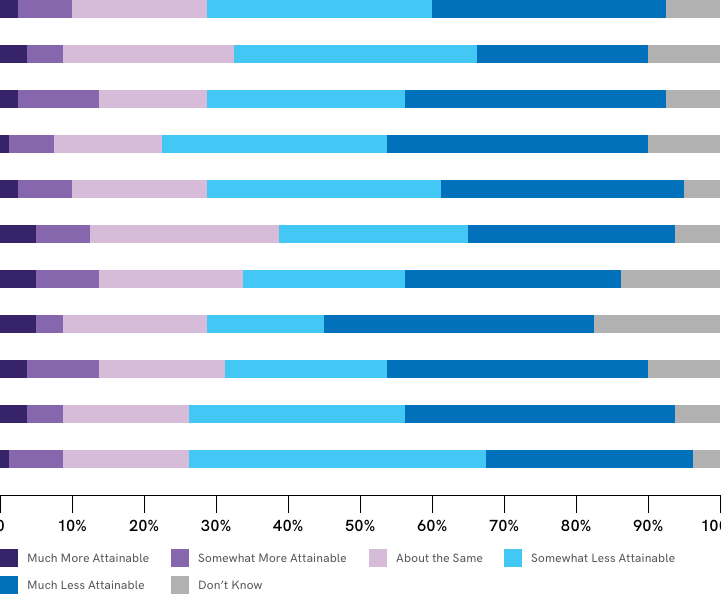
An overwhelming 64% of American voters believe the American Dream has become less attainable over the past decade, with 33% feeling it is "much less attainable." In stark contrast, only 10% believe it has become more attainable. Another 19% of voters feel its attainability has remained about the same.
This pessimism is widespread but is most pronounced among Republicans and younger generations. Republicans are the most likely partisan group to feel the dream is "much less attainable" at 42%, compared to 36% of Independents and just 23% of Democrats.
There is a clear generational trend, with younger voters expressing the most intense pessimism. Thirty-nine percent of Gen Z and 37% of both Millennials and Gen X believe the dream is "much less attainable." While a majority of Boomers also feel the dream is less attainable, they are more likely to say it is "somewhat less attainable" (41%) rather than "much less attainable" (28%).
What defines the American Dream?
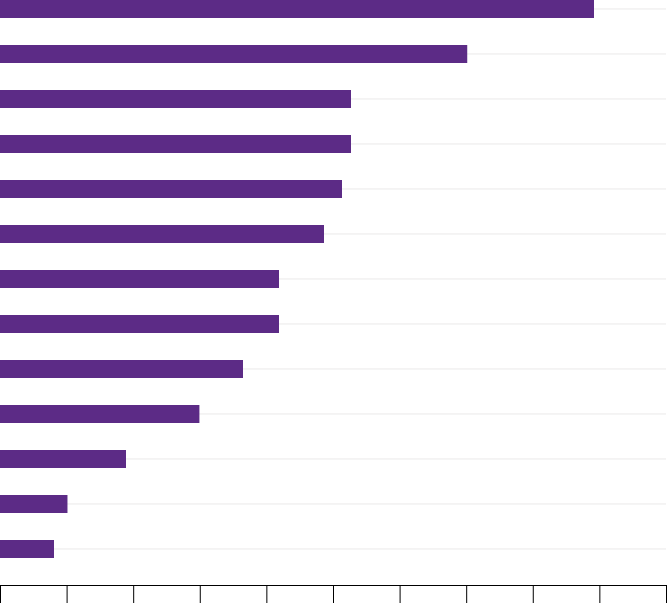
For American voters, the American Dream is primarily defined by economic stability and homeownership. These practical concerns are the top two priorities across almost every demographic group.
Beyond personal finances, civic ideals like freedom and equal opportunity also rank highly. Democrats place a higher emphasis on “Living in a democracy” (34%) than Republicans do (22%), while Boomers prioritize this aspect (39%) far more than younger generations like Gen Z (16%). Democrats are also much more likely to cite “access to healthcare” (27%) as a key aspect compared to Republicans (16%).
There are other notable generational differences. Gen Z is an outlier in its focus on having a “fulfilling job” (26%), a much higher priority for them than for any other generation. Younger generations (Gen Z and Millennials) are also more likely to define the dream as “providing a better life for future generations.”
Party Supporting the American Dream
Overall, voters give a slight edge to the Republican Party (39%) over the Democratic Party (33%) as being more aligned with ensuring the American Dream is a reality. However, a notable 28% of voters believe neither party is aligned with this goal.
AI and the American Dream
American voters are more pessimistic than optimistic about the impact of Artificial Intelligence (AI) on their future and their ability to achieve the American Dream.
A plurality of voters believe AI will be a headwind, not a tailwind, in their pursuit of the American Dream.
Forty percent of voters think AI will make it harder to achieve the American Dream, more than double the 16% who believe it will make it easier. Nearly a quarter of voters (23%) feel it will make no difference.
This negative outlook on AI is bipartisan. Democrats, Republicans, and Independents are all more likely to believe AI will make achieving the dream harder rather than easier.
Voters are nearly twice as likely to say AI makes them more pessimistic, rather than optimistic, about the future.
Thirty-nine percent of voters say AI makes them more pessimistic about the future, compared to just 20% who say it makes them more optimistic. A significant portion (27%) feel their outlook is unchanged.
Pessimism about AI’s impact on the future tends to increase with age. Older voters (65+) are the most likely group to feel more pessimistic (45%), while younger voters (18-34) are the least pessimistic (35%).
There are deep generational divides in American perceptions of the American Dream.
While older Americans largely feel they have surpassed their parents and achieved the American Dream, younger generations are defined by a pervasive pessimism. They feel the dream is slipping away, hampered by economic realities like inflation and the cost of housing. This sentiment fuels a broader disillusionment, reflected in the significant portion of the electorate that feels neither political party is capable of restoring the dream’s promise.
There is widespread apprehension towards emerging technologies like AI, suggesting a fear that future disruptions will only exacerbate, rather than alleviate, these challenges. Ultimately, the poll captures an electorate that is economically stressed, generationally fractured, and increasingly doubtful that the promise of the American Dream remains within their reach.
Downloads
Toplines
Download Toplines (PDF)↓Crosstabs
Download Crosstabs (PDF)↓Methodology
Polling methodology↗